Beyond Linting: The Dawn of the Self-Healing Codebase with Inatech AI Code Fixer
Debugging C/C++ is a rite of passage for every developer. We’ve all been there: staring at a cryptic linker error at 2 a.m. or fighting a static analyzer over an obscure MISRA C compliance rule. While tools can identify problems, they leave the most difficult part—the fixing—to us. But what if they didn't have to?
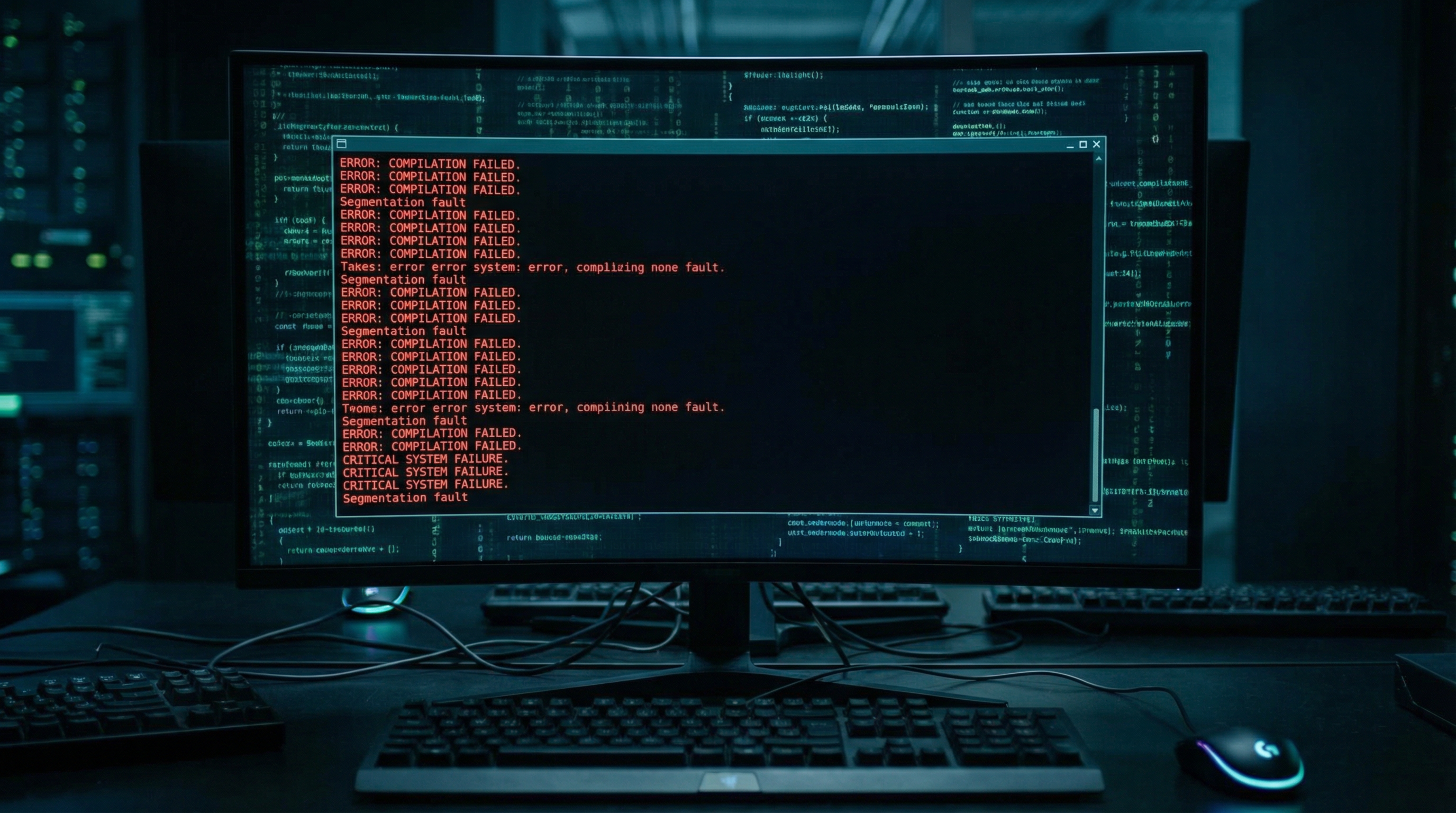
The "Wall of Errors" - The familiar starting point for any complex debugging session
Today, we are thrilled to introduce the Inatech AI Code Fixer, an autonomous system that doesn’t just find errors; it understands, strategizes, and resolves them. This is not another linter. It’s an intelligent partner designed to handle the tedious and complex task of maintaining robust, compliant, and build-ready C code.
An Autonomous, Multi-Agent Architecture
At its core, the Inatech AI Code Fixer operates using a sophisticated multi-agent architecture. Instead of a monolithic approach, we’ve separated concerns into specialized agents that work in concert:
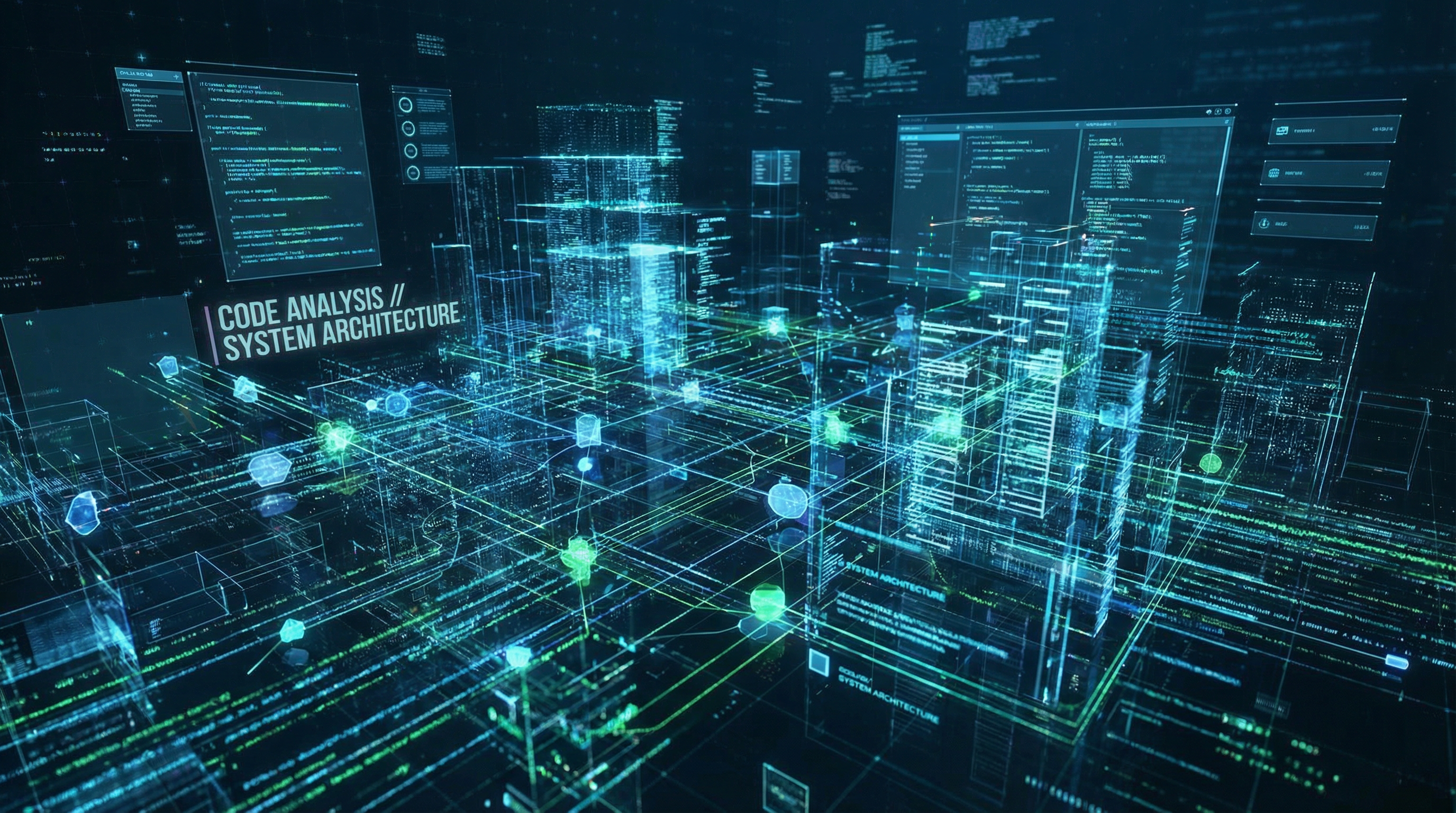
From chaos to clarity: The Analyzer Agent structures raw error logs into an actionable plan
How It Works: A Cycle of Intelligent Refinement
Our system is built on a powerful iterative feedback loop, allowing it to tackle problems with the persistence of a seasoned engineer.
When a build fails, the Code Fixer initiates its workflow. It begins by establishing holistic contextual awareness, analyzing not just the file with the error, but the entire web of included headers and related source files. This is crucial for resolving linker errors or API mismatches.
Next, the system leverages structured AI reasoning. We utilize libraries like instructor to ensure all communications with our underlying Large Language Models (LLMs) are returned as validated, typed Pydantic models. This eliminates guesswork and ensures every decision is based on clean, reliable data.
The most critical phase is the confidence-based safety gating. Before a single line of code is changed, every proposed fix is assigned a confidence score. The system is configured with thresholds to autonomously decide whether to apply a code change, add a suppression comment for a tricky MISRA rule, or ignore a low-confidence suggestion. This prevents the agent from making speculative changes that could worsen the situation.
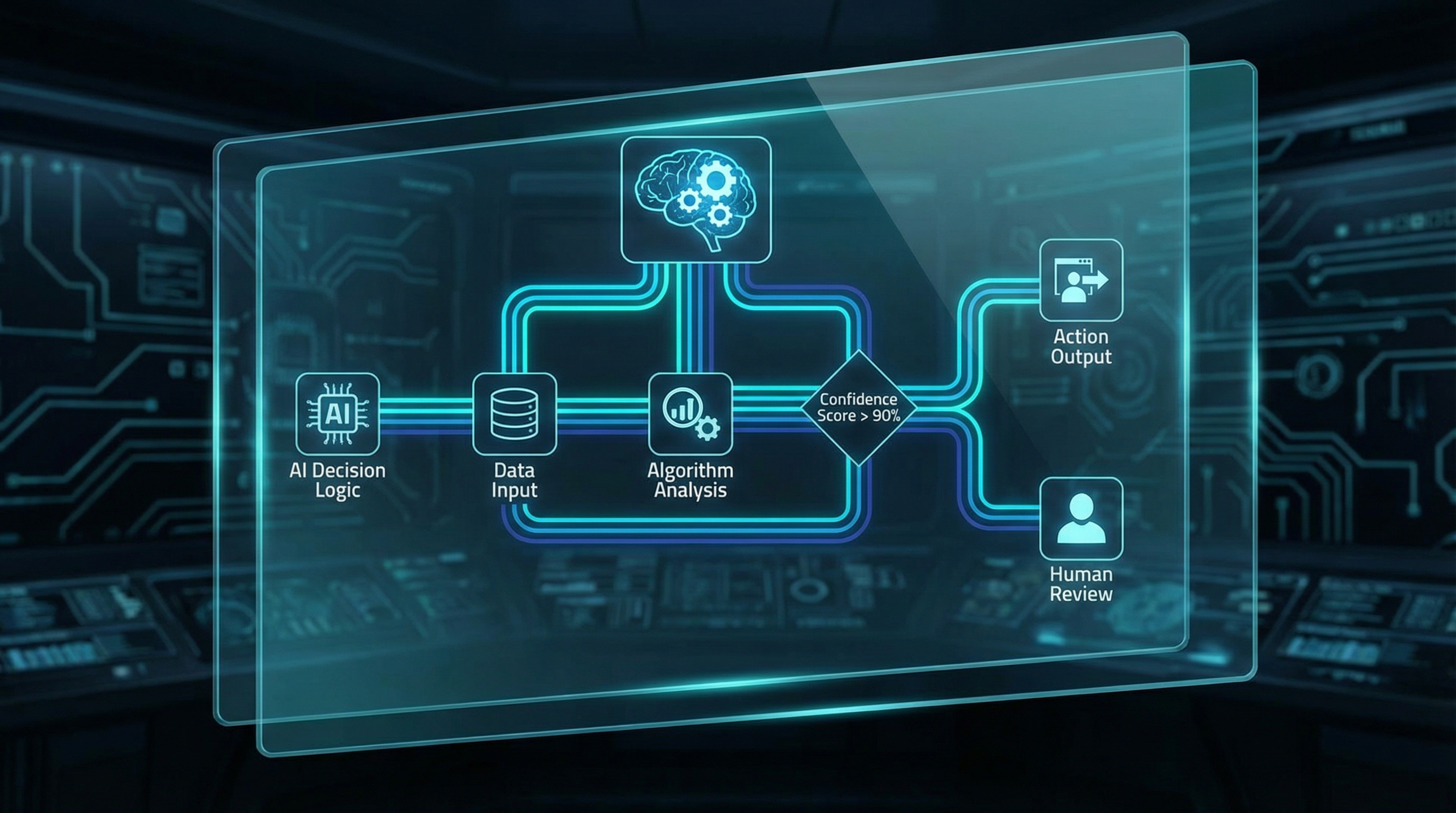
Intelligent decision-making in action. The agent applies high-confidence fixes while safely ignoring risky suggestions.
Finally, the fix is applied, and the loop repeats. The system re-compiles and verifies the outcome. It knows if its last action succeeded or if the issue persisted, feeding that history into its next attempt. This "memory" allows it to avoid repeating failed strategies and intelligently pivot its approach, just like a human developer would.
From Theory to Practice
Real-world code is rarely clean. A single commit can often introduce a cascade of different problems. Imagine a developer checks in code with a typo—a missing parameter name in a function definition, causing a fatal compilation error. The same file also triggers two subtle MISRA warnings: a signed vs. unsigned comparison (Rule 10.4) and a forbidden cast on a complex mathematical expression (Rule 10.8).
A human might fix the compiler error first, re-run, then tackle the MISRA warnings one by one. The Inatech AI Code Fixer analyzes all issues simultaneously. It orchestrates a multi-point fix in a single iteration:
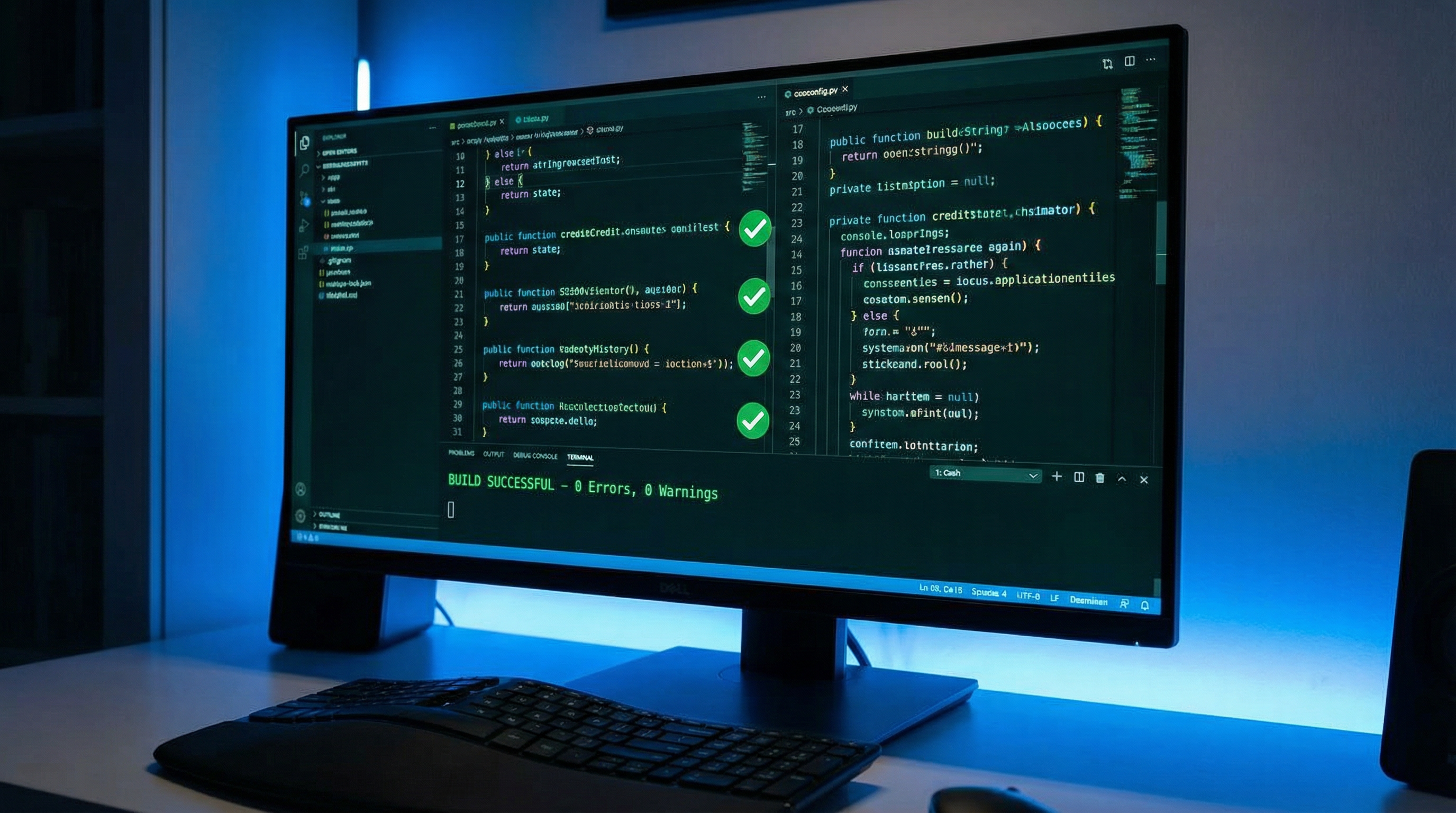
Fixing a fatal compiler error and multiple MISRA violations in a single, autonomous pass.
The Inatech AI Code Fixer is more than a tool; it’s a fundamental shift in the development lifecycle. It’s about empowering developers to focus on building features, not chasing down build errors. It’s about making standards compliance an automated, background process, not a manual chore.
Welcome to the future of software development. Welcome to the self-healing codebase.
The end result: a clean, successful build.